Clear aligner fabrication has relied on a single dominant method for more than two decades: thermoforming a plastic sheet over a 3D-printed model. Direct 3D printing of the aligner itself is now emerging as a distinct manufacturing pathway, supported by purpose-built photopolymer resins from manufacturers such as Graphy Inc. (Seoul, South Korea). This article summarizes the manufacturing differences, the mechanical and biological evidence comparing the two methods, and the clinical considerations relevant to treatment planning.
Thermoforming is an indirect fabrication process in which the aligner is not printed but shaped over a printed model:
This remains the manufacturing basis for the majority of clear aligners currently produced, and it is the comparator arm ("gold standard") used in ongoing clinical trials evaluating newer fabrication methods.
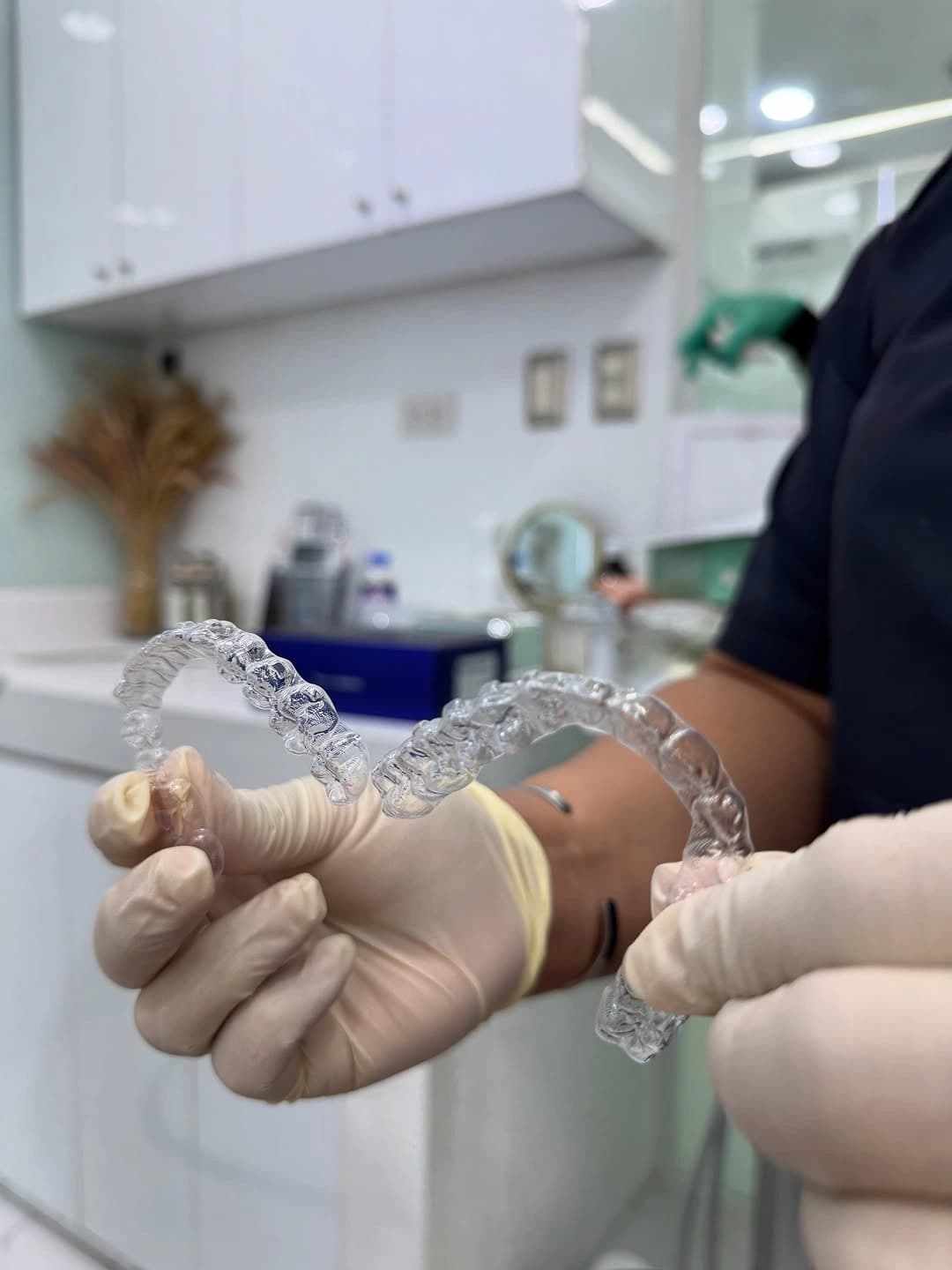
Direct 3D printing removes the intermediate model-and-sheet step. The aligner geometry, including gingival margins, wall thickness, and localized pressure features, is printed directly from resin on an LCD or DLP printer, then cleaned of uncured resin and post-cured, typically in a nitrogen and/or glycerin bath to preserve clarity and flexibility.
Graphy Inc. is the manufacturer most closely associated with clinical adoption of this method. Its Tera Harz TC-85 resin was the first resin cleared for direct aligner manufacturing, and it has since been followed by TC-85DAC and TC-58. Graphy also supplies a companion digital workflow, including Digital Aligner Design (DAD) software and dedicated curing units (Cure M), and markets its own finished product line under the Graphy Clear Aligner name, which has been evaluated directly against other direct-printed systems and thermoformed materials in comparative laboratory studies.
Terminology note: "Direct-printed aligner" (DPA) refers to the manufacturing method. "Graphy aligner" or "Graphy Clear Aligner" refers to a specific commercial product built on that method using Graphy's resin and design software. Other DPA materials in the literature include iLuxClear and RightBio Clear Aligner resins, evaluated alongside Graphy's system in head-to-head studies.
Several in vitro studies have directly compared the force output of thermoformed PETG aligners against direct-printed resins, including Graphy's TC-85DAC:
Comparative evaluation of three direct-printed materials, including Graphy Clear Aligner, against two thermoformed materials found measurable differences in surface roughness and bacterial adhesion following extended immersion in artificial saliva, indicating that material selection (not just fabrication method) continues to influence long-term hygiene and wear performance. This underscores that not all direct-printed resins, and not all thermoformed sheets, behave identically, product-level evidence matters.
| Factor | Thermoformed (e.g., PETG) | Direct-Printed (e.g., Graphy TC-85DAC) |
|---|---|---|
| Fabrication method | Indirect — sheet formed over printed model | Direct — resin printed as final aligner geometry |
| Force profile | Higher, escalates with displacement | Lower, more consistent across displacement range |
| Shape memory | Minimal — holds deformed shape | Pronounced — majority of shape recovered within 10–60 minutes |
| Material waste | Higher — model discarded per stage | Lower — no intermediate model required |
| Clinical track record | Extensive, long-established | Emerging, growing evidence base |
| Design flexibility | Limited to uniform sheet thickness | Variable wall thickness and surface features possible |
The evidence to date suggests direct-printed resins, Graphy's Tera Harz system in particular, offer a lower and more consistent force profile with less manufacturing waste, which may translate to improved patient comfort and more predictable biomechanics. Thermoforming, however, remains the more established method, with a longer clinical track record and lower equipment overhead. Surface and biofilm data indicate that material selection within each category still meaningfully affects hygiene and wear performance, so method alone should not be treated as a proxy for material quality.
Sources: Progress in Orthodontics; Frontiers in Oral Health; ScienceDirect systematic review of 3D-printed vs. thermoformed clear aligners; ClinicalTrials.gov registrations (NCT07496892, NCT07637227); comparative in vitro studies on direct-printed and thermoformed aligner materials.